

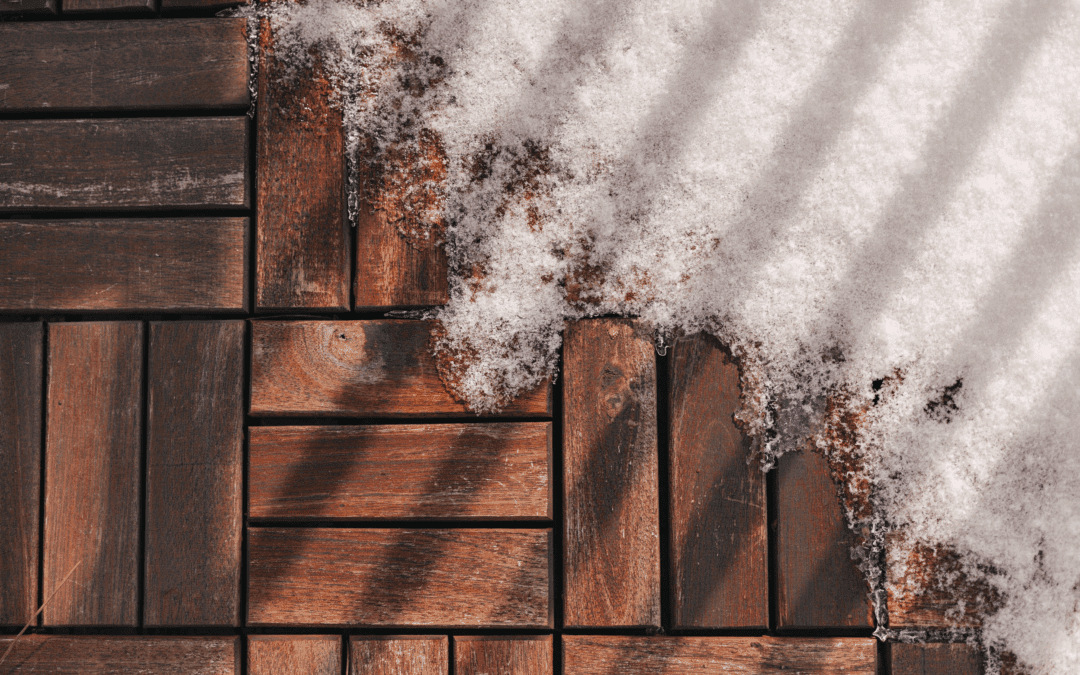
By the time February rolls around in the Lower Mainland, most homeowners are ready to see winter move on. Even when snow is limited, months of rain, damp air, and reduced sunlight take a toll on outdoor spaces. Your deck often shows that wear first.
Late winter is the right moment to step back, take a close look, and decide what needs attention before spring arrives. This is not about rushing into a rebuild. It is about understanding what winter revealed and making smart, practical decisions that improve comfort, safety, and usability when the weather starts to turn.
Below is a clear, experience-based approach to transitioning your deck from winter wear to spring comfort.
What Winter Conditions Reveal About Your Deck
Lower Mainland winters create a unique set of challenges for decks. Prolonged moisture is the biggest factor, but limited drying time and organic buildup also play a role.
Common winter-related issues include:
- Slippery surfaces caused by algae or mildew
- Soft or discoloured boards that stay damp
- Pooled water in low spots or near ledger boards
- Staining around fasteners or seams
- Railings that feel loose after months of expansion and contraction
These issues do not always mean a deck is failing. Many are early warning signs that something needs attention before spring use ramps up.
A professional deck builder in the Lower Mainland looks at winter wear as information. It shows where water sits, where materials struggle, and where design choices could be improved.
Step One: Inspect Before You Clean
Many homeowners jump straight into spring cleaning as soon as the weather improves. Before doing that, take time to inspect the deck while winter wear is still visible.
Focus on these areas:
Deck Surface
Look for boards that remain dark or damp long after rain stops. Pay attention to cracking, lifting edges, or rough spots that developed over winter.
Fasteners and Seams
Check around screws, nails, and joints. Rust staining or dark halos can indicate trapped moisture.
Railings and Posts
Give railings a gentle push. Any movement should be addressed early, especially before spring gatherings begin.
Drainage and Slope
Notice where water collects. Standing water almost always points to design or surface issues that affect long-term durability.
This inspection stage helps you decide whether maintenance, targeted upgrades, or a broader redesign makes the most sense.
Step Two: Address Safety and Comfort First
After winter, safety and comfort should be the priority. These improvements often deliver the biggest day-to-day benefit once spring arrives.
Improve Traction Underfoot
Winter algae buildup does not disappear on its own. Cleaning helps, but material choice matters too.
Low-maintenance surfaces like professionally installed composite decking resist moisture absorption and dry more evenly than traditional wood. That makes them a popular choice for homeowners who want consistent traction and less seasonal upkeep.
Reduce Ongoing Moisture Exposure
If your deck remains damp well into the day, waterproofing solutions may be worth considering. Options such as vinyl decking systems create a sealed surface that sheds water efficiently and helps protect the structure below.
For elevated decks, this can also improve the usability of the space underneath during spring rain.
Stabilize Railings Before Entertaining Season
Railings take a lot of stress during winter. Before spring use increases, addressing movement or outdated designs improves both safety and appearance.
Upgrading railings is often a straightforward way to refresh a deck without rebuilding the entire structure.
Step Three: Evaluate Material Performance After Winter
Late winter is when material performance becomes most obvious. Some materials recover well once the weather improves, while others require more attention.
Cedar Decking
Cedar remains a popular choice for its natural appearance, but winter highlights its maintenance needs. Discoloration, raised grain, and moisture retention are common after months of rain.
If you enjoy the look of wood, reviewing proper care options through cedar deck solutions helps you understand what ongoing maintenance is required to keep it performing well.
Composite Decking
Composite materials tend to handle winter moisture with fewer visible changes. They do not absorb water the same way wood does, which helps limit swelling and surface damage.
Homeowners often reassess material choices in late winter, especially if they want a surface that looks more consistent by early spring.
Waterproof Systems
For decks that see heavy exposure, seamless surfaces such as Flexstone waterproof decking can be a long-term solution. These systems are designed to manage water rather than fight it, which suits the Lower Mainland climate well.
Choosing the right material now helps ensure spring enjoyment does not come with constant upkeep.
Step Four: Consider Comfort-Focused Upgrades
Once safety and materials are addressed, comfort becomes the focus. Winter often highlights what feels missing once the deck is actually used.
Shelter and Weather Protection
Late winter is the ideal time to plan overhead coverage. Even partial protection extends deck usability well into spring and fall.
Well-designed roof structures and covered solutions are explained in detail through awnings and roof options, which help homeowners decide what level of coverage fits their space and budget.
Privacy Improvements
Bare winter yards can expose sightlines that feel less comfortable once outdoor living resumes. Adding screens or solid features helps define the space.
Options like privacy walls can be planned during winter and installed before peak spring demand.
Layout Adjustments
Winter wear patterns often show how people actually move through a deck. Narrow traffic areas, poorly placed stairs, or unused corners become obvious once the space has been dormant.
Addressing layout now leads directly into thoughtful spring design planning.
Step Five: Decide What Makes Sense to Do Now Versus Later
Not every improvement needs to happen immediately. Late winter is about clarity, not urgency.
Ask these questions:
- Is this a safety issue that should be addressed before spring use?
- Will delaying this upgrade lead to more wear next winter?
- Does this improvement support how we want to use the deck in spring and summer?
Homeowners often benefit from professional input at this stage. A clear assessment helps prioritize work in a way that fits both the season and the budget.
Understanding the full scope of available deck services helps connect winter observations to practical next steps.
Why Late Winter Is the Right Time for These Decisions
Waiting until spring often means competing with peak schedules. Late winter planning allows for thoughtful decisions, proper material selection, and smoother timelines.
It also gives you time to coordinate design elements, railing upgrades, and surface improvements so everything works together.
Most importantly, it helps ensure your deck is ready when the weather improves, rather than still waiting for attention.
Looking Ahead to Spring Design
This transitional phase naturally leads into broader planning. Once winter wear is understood and comfort needs are clear, the next step is full design planning.
Our next blog will walk through how to design a deck now so it is ready for spring and summer, covering layout, materials, timelines, and coordination. The two stages work best together.
When Professional Guidance Makes a Difference
After nearly two decades of building decks across the Lower Mainland, Andre has seen how small winter issues can turn into larger problems when ignored. His hands-on approach focuses on honest assessments and long-term value, not unnecessary work.
Learning more about the experience behind the company through the About Us page helps explain why so many homeowners rely on straightforward advice rather than sales pressure.
Ready to Take the Next Step
If winter revealed concerns about safety, comfort, or material performance, now is a good time to talk through options. A no-pressure consultation can help clarify what work makes sense this season and what can wait.
You can start that conversation by visiting the Request a Quote page. Clear communication and practical guidance are always the goal.
Winter shows you what your deck is made of. Late winter is the right time to assess wear, improve comfort, and plan upgrades so your outdoor space is ready when spring arrives.
Recent Comments