

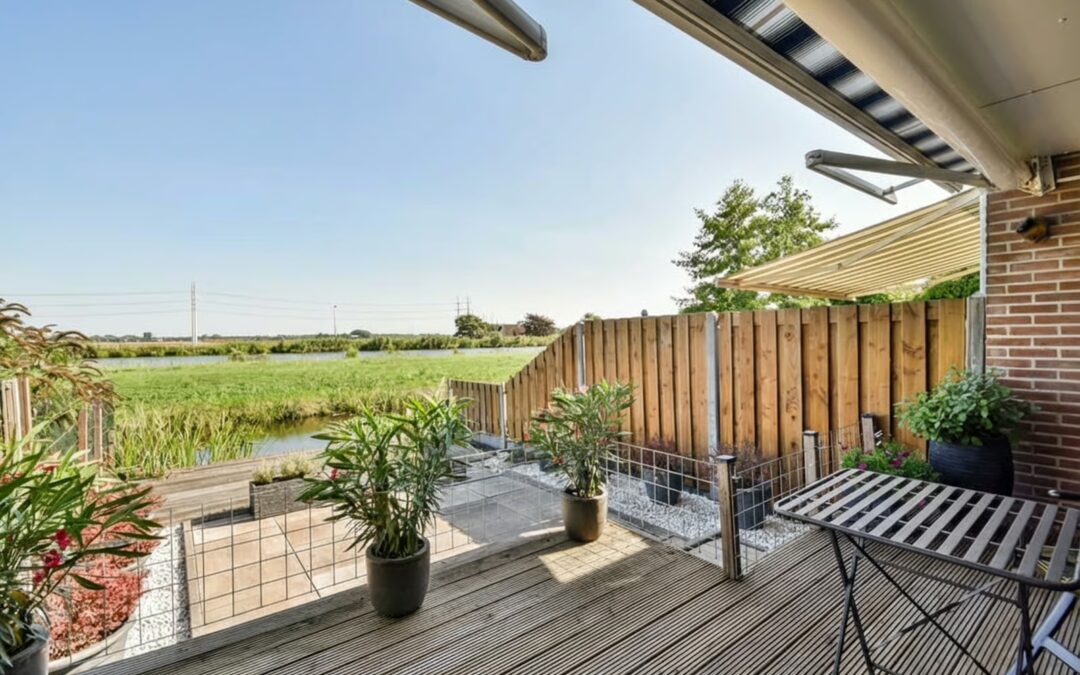
If you live in the Lower Mainland, you already know a deck doesn’t get judged only on how it looks on a sunny afternoon. It’s judged on how often you can actually use it. A deck can be beautifully built, well laid out, and finished with the right materials, but if it stays too wet, too exposed, or too hot for long stretches of the year, you won’t get the same value from it.
That’s usually when homeowners start thinking about overhead coverage. They want to know whether adding a roof or awning will really change how they use the space, whether it’ll suit the house, and whether it’s worth the cost. In a lot of cases, it is.
We build custom outdoor spaces across the Lower Mainland, and our awnings and roofs are designed for homeowners who want more comfort, more protection from the weather, and a more usable outdoor living space. Some people want a clean, practical cover that keeps the deck more comfortable through our wet months.
Others want something with more architectural presence and a stronger built-in feel. Either way, the right choice depends on how you use the space, how exposed your deck is, and what kind of look fits your home.
In this guide, we’ll walk through when a roof or awning makes sense, the main options we build, and how to think through the decision so your deck works better in real BC conditions.
Why homeowners in BC start thinking about deck coverage
In the Lower Mainland, weather shapes outdoor living. Rain doesn’t show up only in winter, and even the warmer months can bring damp mornings, cloudy afternoons, and surprise showers. That can limit how often an open deck gets used, even when the deck itself is built well.
That’s why overhead coverage comes up so often during the planning stage. Homeowners don’t just want a deck that looks good from inside the house. They want a space they’ll actually use for morning coffee, family dinners, quiet evenings, and weekend get-togethers. If the weather keeps pushing everyone back indoors, the deck starts feeling like wasted square footage.
We build a wide range of decks across the Lower Mainland, and one thing we’ve seen again and again is that comfort changes everything. A deck doesn’t have to be huge to be valuable. It has to feel inviting enough that you keep using it. Overhead coverage can help make that happen by cutting down on rain exposure, softening direct sun, and giving the space a more settled feel.
A roof or awning can also help a deck feel more connected to the rest of the home. Instead of an open platform that only works on the nicest days, it becomes a more dependable outdoor room. For a lot of homeowners, that shift makes the whole project feel more worthwhile.
When adding a roof or awning makes sense
Not every deck needs a cover. Some yards have natural shelter. Some homeowners prefer the open sky overhead and don’t mind working around the weather. But there are a few situations where adding a roof or awning usually makes a lot of sense.
You want to use the deck more often
This is the biggest reason. If your deck only gets used when the weather is perfect, you’re missing out on a big part of its potential. A roof or awning can make the space more comfortable through more of the year, which usually means you’ll get a lot more use from it.
We touched on that idea in our post about covered decks vs open decks. Some homeowners love the openness of an uncovered deck, while others want more protection and more flexibility. Neither choice is automatically right. It comes down to how you want the space to function once it’s built.
Your deck gets a lot of rain
Some homes are simply more exposed than others. If your deck sits out in the open with little protection from the house line or surrounding structure, rain can limit how often you use it. A covered area can make a dramatic difference in those cases.
Your deck gets too much direct sun
This catches people off guard sometimes. Everyone thinks first about rain in BC, but strong afternoon sun can make a deck uncomfortable too. If one part of your yard gets blasted for hours, a roof or awning can make the space much easier to enjoy.
You want a more complete outdoor living space
A cover adds shape and purpose. It gives the deck a stronger sense of place and can make even a simple layout feel more finished. For many homes, that extra structure helps the whole backyard feel better thought out.
You want to protect furniture and nearby areas
A covered section can help reduce wear on outdoor furniture and make the space easier to keep ready for regular use. It can also help around doors and transition areas where weather exposure tends to be more noticeable.
The main options we build
We offer several styles of overhead coverage, and each one suits a different type of home and homeowner. Some people care most about low maintenance. Some want to preserve as much light as possible. Others want a more custom architectural feature that adds warmth and character to the yard.
The three main styles we feature are aluminum, glass, and timber frame.
Aluminum awnings and roofs
Our aluminum awnings are a strong option for homeowners who want something durable, practical, and low maintenance. Aluminum works well in wet conditions, which is one reason it suits the Lower Mainland climate so well.
This type of cover is often the right fit when you want weather protection without adding a lot of visual weight to the house. It tends to give a clean, straightforward look that works especially well on homes where simplicity matters more than ornament.
Aluminum often makes sense if you want a cover that’s easy to live with year after year. Some homeowners want the benefit of overhead protection, but they don’t want to spend their time thinking about upkeep. That’s where aluminum stands out. It gives you a practical solution that fits a lot of homes and a lot of budgets.
It’s also a good choice when you want the deck to stay visually light. Not every home needs a heavy-looking structure over the outdoor space. In many cases, a simple, well-designed aluminum awning does exactly what it should do without taking over the whole look of the backyard.
Glass awnings
Our glass awnings are a great option for homeowners who want coverage without giving up brightness and openness. That’s usually the biggest selling point. You get protection from the weather while still keeping a lighter feel over the deck.
Glass can be especially attractive when your backyard has a nice view or when you don’t want to darken the area near patio doors and windows. A solid cover gives more shade, which some homeowners want, but glass keeps more natural light in play.
Glass often makes sense if you want the deck to stay bright through the day. It’s also a strong choice if your home leans toward a cleaner, more modern style. Some structures can make an outdoor space feel closed in. Glass usually does the opposite. It keeps things feeling open while still adding useful shelter.
For the right setting, a glass awning gives you a very good balance between protection and openness. That’s a big reason it appeals to homeowners who want the deck covered but still bright and visually clean.
Timber frame awnings and roofs
Our timber frame awnings are for homeowners who want something with real presence. This is the option for people who love visible craftsmanship, natural warmth, and a structure that feels like a true architectural feature.
Timber frame doesn’t disappear into the background. It becomes part of the identity of the outdoor space. If that suits the house and the homeowner’s taste, it can be an outstanding choice.
Timber frame often makes sense if you want a warm, natural look and a more substantial feel over the deck. Heavy timbers bring character that’s hard to duplicate with other materials. For some homes, that richer appearance is exactly what ties the deck into the rest of the property.
It’s also a strong fit when you want the structure itself to feel custom. A timber frame roof or awning has a handcrafted quality that stands out right away. When it suits the house, it can elevate the whole outdoor space and make the deck feel like a true extension of the home rather than a separate add-on.
How to decide what fits your home
Picking the right roof or awning isn’t only about choosing the style you like most in a photo. It’s got to work with the house, the deck, and the way you actually spend time outside. Before moving ahead, we always think it’s smart to step back and look at the project from a few practical angles.
Start with how you use the deck
This should always come first. Are you trying to cover a dining table, a seating area, a barbecue zone, or the main walkway near the back door? If you know how the space gets used, you’ll make better decisions about what needs protection and how much coverage makes sense.
Think about how much light you want to keep
Some homeowners are happy to trade a little brightness for more shade and stronger shelter. Others don’t want to lose that open feel, especially if the deck sits off the main living space. If keeping the area bright matters a lot, that’ll push the decision in a different direction than if maximum shade is the priority.
Look at the style of the house
A roof or awning should feel connected to the home, not stuck onto it. Rooflines, scale, materials, and overall character all matter. A good overhead structure doesn’t feel separate from the design. It feels like it belongs there from the start.
Be honest about maintenance
This is a big one. People often focus on the day the project’s finished, but what really counts is how the structure feels to own after the first season, the second season, and the fifth. Some homeowners don’t mind more upkeep if they love the look. Others would rather keep maintenance to a minimum. There’s nothing wrong with either approach, but it helps to be honest about it.
Think about long-term value, not just the first number
Cost matters, of course. But the right question isn’t only what the structure costs on day one. It’s also what you’re getting in return. If coverage means you’ll use the deck more often, enjoy it more comfortably, and feel like the project truly fits your home, that added value counts for a lot.
Common mistakes to avoid
We’ve seen plenty of outdoor projects where the deck itself was built well, but the overhead feature wasn’t thought through carefully enough. That can lead to disappointment even when the workmanship looks solid.
Choosing only by appearance
Looks matter, but day-to-day use matters just as much. A cover may look impressive in a photo, but if it blocks too much light, doesn’t protect the right area, or feels too heavy for the house, it won’t feel right once you start living with it.
Underestimating the weather exposure
Rain doesn’t always fall straight down, and every yard behaves differently. Wind, direction, nearby trees, and the shape of the house all affect how much protection you’ll actually get. A roof or awning should be planned around the real site conditions, not just a general idea of shelter.
Covering the wrong area
If the structure goes over the part of the deck you rarely use, it won’t improve the space in a meaningful way. That’s why layout should come first. The best design starts with how you live, not just where a cover might look symmetrical.
Treating the cover like an afterthought
The strongest projects usually feel integrated from the beginning. When the deck, stairs, railings, and overhead coverage all work together, the final result feels more natural and more complete.
Why experience matters on this kind of project
A roof or awning isn’t just a product choice. It affects comfort, proportion, brightness, weather protection, and the way the whole backyard feels once the work’s done. That’s why practical experience matters.
On our About Us page, we talk about Andre’s background in construction and the experience behind the work we do. That hands-on experience shapes how we approach projects. We’re not interested in pushing one option onto every home. Some properties clearly suit an open deck better. Others benefit immediately from overhead coverage. Our job is to look at the space, listen to how you want to use it, and help you choose the option that fits.
We also know homeowners want honest advice about trade-offs. A beautiful timber frame structure can be the perfect fit for one yard and the wrong choice for another. A simple aluminum awning can be exactly the right answer when durability and lower maintenance matter most.
A glass awning can be the strongest option when light and openness matter most. Good advice comes from looking at the actual home in front of us and matching the structure to the way you live.
That’s where experience helps us ensure the project makes sense beyond the first impression. We’re thinking about how it’ll look, how it’ll function, and how it’ll hold up in the kind of weather we get here.
So, should you add a roof or awning over your deck?
If your deck already works well, gets regular use, and feels comfortable through most of the year, you may not need to change a thing. But if you find yourself avoiding the space because of rain, glare, or lack of shelter, adding overhead coverage can make a very real difference.
For many Lower Mainland homeowners, that’s the upgrade that turns a nice deck into a space they use all the time. It can make outdoor meals easier, create a better place to relax, and give the backyard more function without changing the footprint of the home.
The best choice comes down to your priorities. If you want something durable and low maintenance, aluminum may be the answer. If you want protection while keeping light and openness, glass may suit you better. If you want warmth, character, and a more custom architectural feature, timber frame may be the right fit.If you’re thinking about adding overhead coverage to your deck, the best next step is to start a conversation through our request a quote page. We’ll take a look at the space, talk through the options, and give you a straightforward recommendation based on what fits your home, your budget, and the way you want to use your outdoor space.
Recent Comments