

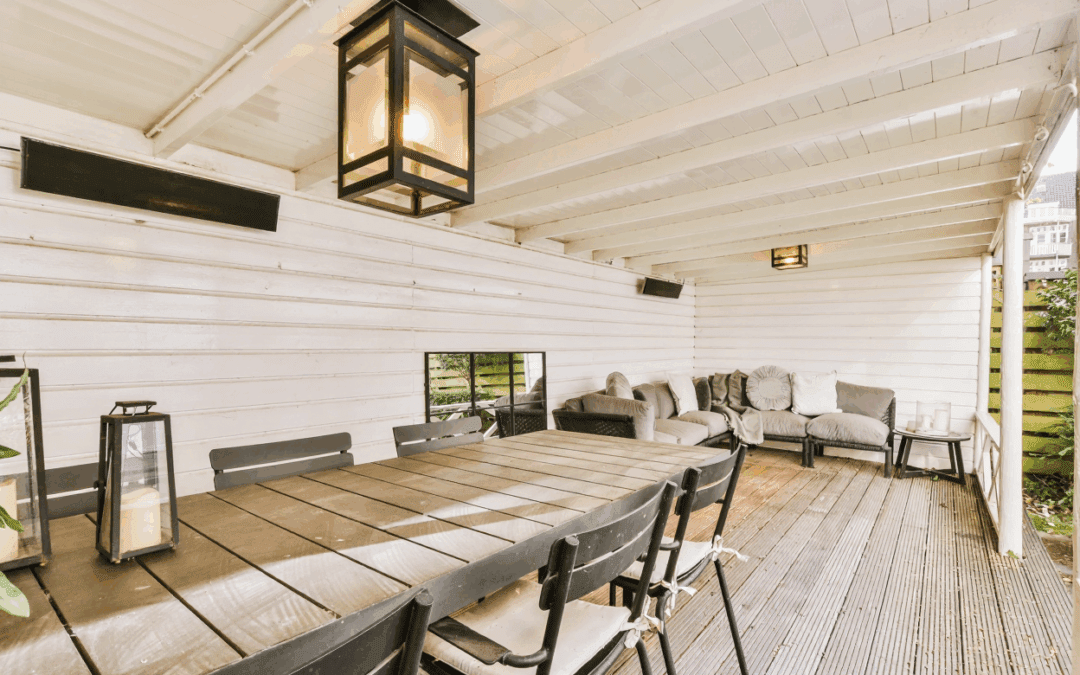
In the Lower Mainland, outdoor living is not limited by interest. It is limited by weather. Many homeowners invest in a deck, set up a seating area, and picture warm evenings outside, then reality shows up in the form of long wet stretches that make the space feel unreliable. The deck might be built well, but without overhead protection, it often becomes a fair-weather feature.
A properly planned cover changes that. It can make your deck usable during light rain, protect surfaces from constant saturation, and reduce the day-to-day hassle of moving furniture and cushions. The goal is not to turn your yard into a sealed room. The goal is to make the space work in a rainy coastal climate without creating maintenance headaches or design regrets.
If you want to start by seeing the main categories of coverage options, the best overview is the Awnings & Roofs page. This guide will help you understand what those options mean in real life, and how to choose the right one for your home.
Why rain and moisture are the deciding factors in BC
Moisture is not just an annoyance. It is one of the biggest drivers of wear, slipping hazards, and long-term maintenance for decks in this region. When a surface stays damp, it becomes more likely to grow algae, hold dirt, and weather faster. Even with regular cleaning, the pattern repeats because the deck never gets a long dry cycle.
If you want a clear breakdown of the climate problem itself, read why rain and moisture are a challenge for decks in the Lower Mainland. It ties the local conditions to what homeowners see on their own properties.
Overhead protection helps in three major ways:
- It reduces direct rainfall hitting the deck surface.
- It makes the deck more comfortable to use during shoulder seasons.
- It can reduce how often you deal with soggy furniture and slippery walking zones.
That said, coverage is not magic. A cover works best when paired with a deck that is built and detailed correctly.
Start with the deck, not the roof
A common mistake is treating the cover as a separate project. In reality, the deck and the cover must work as one system. The cover adds load, changes water flow, and affects where people walk and gather. If the deck structure beneath it is not designed for that, the project becomes more complicated than it needs to be.
If you are building from scratch or planning a major upgrade, the best place to ground the conversation is the Decks service page. It gives the big picture of how a deck is planned, built, and integrated with features like stairs and railings.
When a cover is considered early, you get cleaner detailing, better drainage planning, and fewer compromises.
The three main categories homeowners compare
Most homeowners weigh three solutions: an awning system, a roof-like cover, or a pergola. They are not the same, and in the Lower Mainland those differences matter.
1) Awnings and roof systems
This category covers engineered overhead structures designed to shed rain and handle exposure. These systems can be designed to fit a wide range of homes and aesthetics, and they are the most reliable option for homeowners who want consistent rain protection.
The broad overview is on Awnings & Roofs, and the key is choosing a style and material that match how you actually use your space.
2) Pergolas
Pergolas are often installed for shade and visual structure. They can define an outdoor seating area beautifully. In most cases, they do not provide full rain protection. Many homeowners love pergolas, but regret them if the true goal was staying dry.
If you are considering this route, review Pergolas and treat it as a style and shade decision first, not a rain solution.
3) A fully covered deck feel
Some homeowners want a space that behaves like an outdoor room. That usually means a roof structure that provides meaningful coverage for seating, dining, and moving between doors and stairs without getting drenched.
The right choice depends on your goals, exposure, and budget.
Aluminum awnings: practical and low maintenance
For many Lower Mainland homes, aluminum is the most straightforward way to get reliable coverage with minimal ongoing work. Aluminum does not rot and does not absorb moisture, which makes it well suited to long wet seasons.
If you want to see this option directly, the Aluminum Awning page is the reference.
Why homeowners choose aluminum
Aluminum tends to suit homeowners who want:
- Consistent shelter from rain
- Low maintenance compared to wood structures
- A clean, modern look that does not feel bulky
- Long-term durability in damp coastal conditions
Aluminum is not automatically the right choice for every home, but it performs reliably when installed and detailed correctly.
What to plan before you commit
Even the best material will disappoint if the design is wrong. Key planning points include:
- Where roof runoff will land and drain
- How much daylight you want under the cover
- Where you want dry walking paths, especially near doors and stairs
- How the cover ties into the existing roofline and siding details
These decisions affect comfort every single week of the year, not just on installation day.
Timber frame awnings: character and craftsmanship
Timber frame structures are for homeowners who want more than utility. They want an architectural feature that feels permanent and custom, and that adds warmth to the home’s exterior. In the Lower Mainland, timber can perform very well, but it must be built and detailed with wet conditions in mind.
If this is your style, review Timber Frame Awnings.
Why homeowners choose timber frame
Timber frame awnings often appeal when:
- The home suits a traditional or West Coast look
- You want visible structure and craftsmanship
- You value appearance as much as function
- You want a feature that upgrades curb appeal and outdoor living at the same time
Realistic maintenance expectations
Exterior wood in BC needs realistic care. That does not mean it is fragile. It means periodic inspection and finishing are part of owning a wood feature exposed to rain and temperature swings. When homeowners are comfortable with that, timber frame can be a high-value option for both looks and long-term use.
Pergolas: excellent for shade, limited for rain
Pergolas can be a great addition in the right context. They provide shade, define space, and make a deck feel finished. They also allow more light through than many roofed options, which some homeowners prefer.
The mistake is expecting a pergola to behave like a roof. If staying dry is your priority, an awning or roof system is usually the better match. If seasonal shade and a lighter visual feel are your priority, a pergola might be perfect.
For examples and options, see Pergolas.
How to choose the best option for your home
Homeowners tend to make the best decisions when they start with lifestyle, then move into materials.
Ask yourself these questions:
How many months do you want to use the space?
If you want to use the deck in spring, fall, and mild winter stretches, you likely need true overhead rain protection.
Do you want low maintenance or maximum character?
Aluminum often supports low maintenance goals. Timber frame often supports character and craftsmanship goals.
How much natural light do you want?
This influences roof design, placement, and how the covered area feels during the day.
Is this a new deck or an existing deck?
It is often simpler to integrate coverage when planning the deck at the same time. If you are upgrading, you need to evaluate structure and attachment points carefully.
If you are unsure how your deck fits into the bigger picture, start with Decks so the structure is not overlooked while focusing on the cover.
Exposure and site conditions in the Lower Mainland
Two homes can be five blocks apart and experience very different weather exposure. Wind direction, trees, roof lines, and slope all affect how rain hits the deck and how water moves once it lands.
This is why a good solution starts with a site-specific view, not a generic assumption.
Why experience matters on covered deck builds
Covered outdoor structures must be planned correctly for load, drainage, and integration with the home. Homeowners benefit most when the builder understands local conditions and builds with long-term performance in mind.
If you want to understand the company approach and how Andre stays hands-on through planning and construction, the About Us page provides that context.
Maintenance: what to expect after the build
A cover reduces direct exposure, but you still need a basic routine:
- Seasonal cleaning to reduce debris buildup
- Checking runoff paths and drainage points
- Periodic inspection of fasteners and joints
- Keeping the covered area ventilated and not trapping moisture
If you choose wood, plan for periodic finishing appropriate for exterior conditions. If you choose aluminum, maintenance is often simpler, but inspections and cleaning still matter.
The real value of a covered outdoor space
A covered deck often becomes one of the most used parts of the home because it makes the outdoors predictable. It supports morning coffee outside even when the yard is soaked. It supports hosting without watching the forecast every hour. It protects furniture and reduces frustration.
When homeowners invest in coverage that matches their lifestyle, they often find the deck feels larger, more functional, and more comfortable throughout the year.
One good plan at the beginning can ensure the finished space is comfortable, durable, and genuinely usable for the long haul.
Next step: get a clear plan for your home
The best way to choose between aluminum, timber frame, and other options is to match the cover to your deck, your exposure, and your goals. A site-specific plan prevents wasted spending and helps you build something you will actually use.If you want a straightforward starting point, use the Request a Quote page to set up a no-pressure consultation and get clear direction based on your property.
Recent Comments