

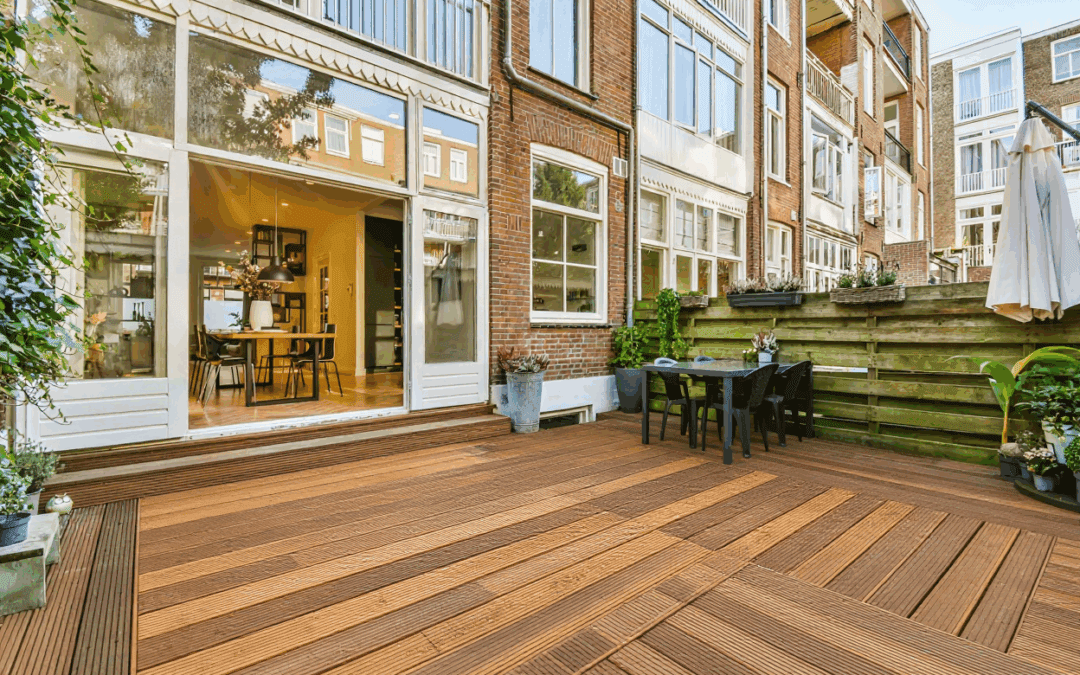
A deck can be one of the most valuable parts of your home, but only if you actually use it. In the Lower Mainland, many decks end up underused because they were treated like a simple platform rather than a real living space. The design might not fit how the household moves through the home. The material might be hard to maintain in wet weather. The layout might feel awkward for seating, grilling, or hosting. Over time, the deck becomes something you look at more than something you live on.
A well built deck changes that dynamic. It creates a comfortable transition between indoors and outdoors. It supports everyday routines, not just summer gatherings. It feels safe in wet months. It feels stable underfoot. It looks intentional, and it ages in a predictable way.
This guide explains the practical reasons a well built deck adds usable living space to BC homes, and what details separate a deck that gets used weekly from one that sits empty for most of the year.
What “usable living space” actually means outdoors
Usable living space is not just a square footage number. It is how often the space is used and how comfortable it feels when you step outside. A smaller deck that fits your life can feel more valuable than a larger deck that does not.
A usable deck supports common activities like:
- Sitting outside with coffee in the morning
- Eating dinner outdoors without moving half the furniture around
- Keeping a clear walking path from door to stairs
- Hosting friends without everyone crowding into one corner
- Letting kids and pets move safely without constant supervision
If those activities feel natural, the deck becomes part of the home’s daily rhythm.
Why BC weather makes deck usability harder
The Lower Mainland climate shapes outdoor living in very specific ways. Rain, long damp stretches, and mild temperature swings create conditions that can shorten the lifespan of materials and make surfaces slippery if drainage and maintenance are not planned properly.
If you want a plain-language breakdown of why this happens, read why rain and moisture are a challenge for decks in the Lower Mainland. It connects local conditions to the issues homeowners see on their own decks, including algae buildup, surface slickness, and faster weathering.
In BC, usability depends heavily on moisture management, material selection, and thoughtful design.
Start with structure, because comfort depends on it
A deck can look great and still feel wrong if the structure is not right. Flex, bounce, and inconsistent framing can make the surface feel less safe and less comfortable. In wet climates, structure also affects how water drains and how quickly the deck dries after rain.
Homeowners planning a new build or a rebuild should start with the fundamentals on the Decks page. A strong deck structure supports everything that makes outdoor space usable, including safe stairs, clean transitions, and future upgrades like covers or railing changes.
A solid structure helps with:
- Stable walking surfaces
- Proper slope and drainage
- Long-term performance in wet conditions
- Flexibility for future design changes
When structure is treated as the foundation of usability, the deck feels dependable year after year.
Layout is the difference between “nice” and “used”
Layout is one of the most overlooked parts of deck design. Homeowners often focus on materials first, but layout determines whether the deck works for real life.
A good layout accounts for:
Door and traffic flow
Where people step outside matters. If the main door opens into a furniture zone, the deck will always feel cramped. A well planned deck has a clear landing area and a natural walking path.
Furniture zones that make sense
A usable deck has defined areas: dining, lounging, grilling, or play space. You do not need a huge deck to create zones, but you do need a plan.
Stairs in the right place
Stairs that land in a logical location make the yard feel connected to the home. Stairs that feel like an afterthought often create awkward movement and reduce how often people use the deck to access the yard.
When layout is right, the deck feels like an extension of the house, not a separate feature.
Material choice affects daily life more than you think
In BC, material choice is not just about looks. It affects traction, heat, maintenance, and how the deck ages through wet seasons.
Composite decking for low maintenance outdoor living
Composite is popular with homeowners who want to spend more time using the deck and less time maintaining it. Composite materials are designed to handle moisture and tend to provide a consistent surface that is easier to keep clean than many wood options.
If you are comparing options, the Composite Decks page is a helpful reference for how composite performs and why homeowners choose it for high-use spaces.
Composite often fits homeowners who want:
- Lower maintenance in rainy conditions
- Predictable aging and appearance
- Strong performance for entertaining areas and family decks
Cedar decking for warmth and classic BC character
Cedar remains a favourite for homeowners who love the natural look and feel of wood. It can be beautiful and comfortable underfoot, but it comes with real maintenance expectations in the Lower Mainland.
If cedar is on your shortlist, the Cedar Decks page lays out what to expect so homeowners can choose cedar for the right reasons.
Cedar often fits homeowners who:
- Want real wood character and warmth
- Are comfortable with periodic cleaning and finishing
- Prefer a traditional outdoor look that suits many BC homes
There is no perfect material for every household. The best choice is the one that matches how you live and how much upkeep you are realistically willing to do.
Railings are not just a safety requirement, they shape the space
Railings influence how a deck feels to use. A railing system can open up views, improve comfort, and create a more finished outdoor room. It can also affect how much light reaches the deck and how “open” the space feels.
If you are weighing options, the Railings page helps homeowners compare approaches and understand how railing choices support both safety and aesthetics.
A well chosen railing system can:
- Improve safety for children, pets, and guests
- Make the deck feel more open or more private, depending on your goal
- Enhance the view without feeling bulky
- Add a clean finished edge that makes the deck feel complete
When railings are planned as part of the overall design, they enhance usability instead of feeling like a last-minute add-on.
Location and exposure matter, even within the same region
Not every Lower Mainland deck experiences the same conditions. Wind, shade, nearby trees, and slope can change how wet the deck stays and how quickly it dries. A home near a greenbelt can stay damp longer. A more exposed property can see more wind-driven rain.
That is why city-specific experience helps. If you want an example of local context, the Port Coquitlam Decks page is a useful reference for homeowners thinking about how decks are designed and built in real neighbourhood conditions.
Usability improves when the design accounts for exposure and site specifics, not just generic deck rules.
A usable deck often benefits from overhead coverage
Many homeowners want the deck to function as living space from spring through fall, and sometimes beyond. In rainy months, overhead coverage can make that possible by protecting seating zones and creating a more predictable surface.
If coverage is part of your plan, it is worth reviewing the Awnings & Roofs options so you understand what types of structures provide meaningful protection and which ones are primarily decorative.
Even partial coverage over a dining or lounge zone can extend how often you use the deck.
Safety is part of comfort, not a separate category
A deck cannot feel like usable living space if it feels unsafe. Slippery surfaces, wobbly railings, uneven transitions, and poorly placed stairs all discourage use.
Safety and usability overlap in practical ways:
- Proper slope helps water drain instead of pooling
- Clear walking paths reduce trips and tight squeezes around furniture
- Quality railings allow people to relax and move naturally
- Material choices can improve traction in wet months
When safety is handled well, homeowners use the deck more often, with less worry.
Maintenance planning keeps decks usable long-term
Maintenance is part of ownership, but it should not be a constant battle. The goal is to pick a material and design that fits your tolerance for upkeep.
A realistic maintenance approach includes:
- Regular cleaning to remove debris and reduce algae
- Seasonal checks of fasteners, railings, and stairs
- Addressing drainage issues early instead of waiting
- Choosing materials that match your lifestyle
When maintenance is realistic, the deck stays comfortable and inviting year after year.
Why the builder’s approach matters
Decks that feel like true living space are built with intention. They are designed around how the homeowners will use them, and they are built with local conditions in mind.
If you want to understand the hands-on approach behind All Hands on Deck, including Andre’s involvement from planning to final inspection, the About Us page provides that background.
Experience shows up in the details. Those details are what make a deck feel stable, comfortable, and usable for the long haul.
The long-term value of a deck you actually use
A deck that gets used regularly adds value in ways that go beyond resale. It expands where you spend time at home. It supports social gatherings. It creates room for quiet routines. It makes the home feel bigger without building an addition.
One thoughtful plan at the beginning can ensure the finished space delivers comfort, safety, and real usability for years to come.
Next step: turn your outdoor area into real living space
If you are considering a new deck or an upgrade, the best next step is a site-specific plan that matches your goals, exposure, and maintenance preferences. A conversation early in the process can prevent expensive changes later.To get started, visit the Request a Quote page for a clear, no-pressure next step and straightforward guidance based on your home.
Recent Comments